
Co-Occurring Disorders
COMPASSIONATE CARE FORE COMPLEX STRUGGLES

Co-Occurring Disorders: Integrated Dual Diagnosis Treatment
When a mental health condition and a substance use disorder happen at the same time, it is known as a co-occurring disorder (often called a dual diagnosis). Because these two struggles are deeply connected – with one frequently triggering or worsening the other – treating them separately simply doesn’t work. At our facility, we provide integrated, dual-diagnosis treatment that addresses both your mental health and substance use at the exact same time. By healing the root causes alongside the symptoms, we empower you to achieve a lasting, meaningful recovery.
UNDERSTANDING CO-OCCURRING DISORDERS
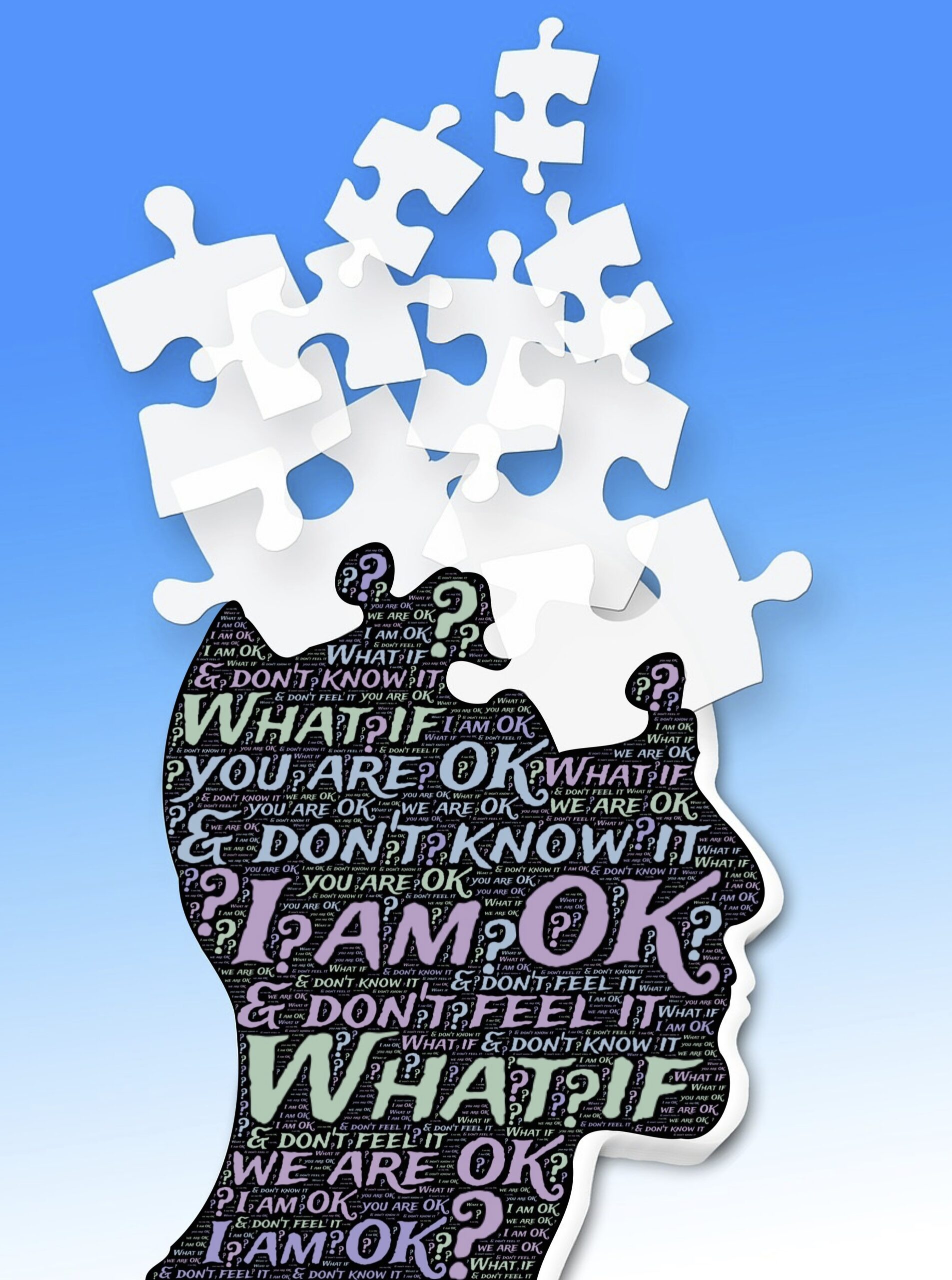
To truly understand a co-occurring disorder, we have to look beyond the surface and view the whole person. When a mental health struggle and a substance use issue happen at the same time, it can feel like being caught in an endless loop. You might find yourself turning to substances to quiet anxiety, numb depression, or cope with past trauma, only to find that the substance use eventually makes those very feelings heavier and harder to manage. Understanding this cycle is vital because it helps remove the blame and shame. A dual diagnosis is not a sign of weakness; it is a complex health condition where two separate issues are reinforcing each other. Recognizing this interconnected cycle is how we begin to untangle it, paving the way for integrated treatment that brings real relief.
COULD YOU BE STRUGGLING WITH A CO-OCCURRING DISORDER?
It isn’t always easy to tell where a mental health struggle ends and a substance use issue begins. If you aren’t sure whether you or a loved one is dealing with a co-occurring disorder, ask yourself if you relate to any of the following:
- Do you use substances to cope? Do you find yourself turning to alcohol or drugs to numb painful emotions, quiet anxious thoughts, sleep, or escape from past trauma?
- Do your symptoms worsen together? Have you noticed that your depression, anxiety, or mood swings get significantly worse when you drink or use drugs, or when you try to stop?
- Have you experienced an untreated relapse? Have you previously received treatment for addiction, but struggled to stay sober because your underlying mental health symptoms became too overwhelming?
- Do you feel stuck in a loop? Does it feel like your mental health and your substance use are constantly triggering each other, making it impossible to manage one without the other getting worse?
- Do you have a previous diagnosis? Have you ever been diagnosed with a mental health condition (like PTSD, ADHD, bipolar disorder, or depression) and also find it difficult to control your use of drugs or alcohol?
- Is it affecting your daily life? Are both your emotional well-being and your substance use creating combined challenges in your relationships, career, or daily responsibilities?
If you answered “yes” to any of these questions, you are not alone, and healing is entirely possible. Contact us today to schedule a confidential assessment and learn how our integrated treatment approach can help you reclaim your life.
Co-Occurring Disorders
Screener
A brief questionnaire to help you explore whether mental health and substance use concerns may be present together.
Meet Your Team Who Works With Co-Occurring Disorders:


ANGER
ANXIETY
COMPULSIVE GAMBLING
DEPRESSION
FAMILIES & COUPLES
SEX & PORN ADDICTION

The Evolution Group Incorporated is a private counseling firm that has built its practice around the core values of integrity, authenticity, safety and honoring individuality. We work with individuals, couples and families to empower the wholeness that already lies within them
The Evolution Group, Inc.
218 Broadway Blvd SE
Albuquerque, NM 87102
Front Desk Hours:
Monday to Thursday: 9:00am-6:00pm
Friday: 9:00am-5:00pm
Appointment Required
Phone: 505-242-6988
Email: [email protected]

The Evolution Group Incorporated is a private counseling firm that has built its practice around the core values of integrity, authenticity, safety and honoring individuality. We work with individuals, couples and families to empower the wholeness that already lies within them
The Evolution Group, Inc.
218 Broadway Blvd SE
Albuquerque, NM 87102
Front Desk Hours:
Monday to Thursday: 9:00am-6:00pm
Friday: 9:00am-5:00pm
Appointment Required
Phone: 505-242-6988
Email: [email protected]


