

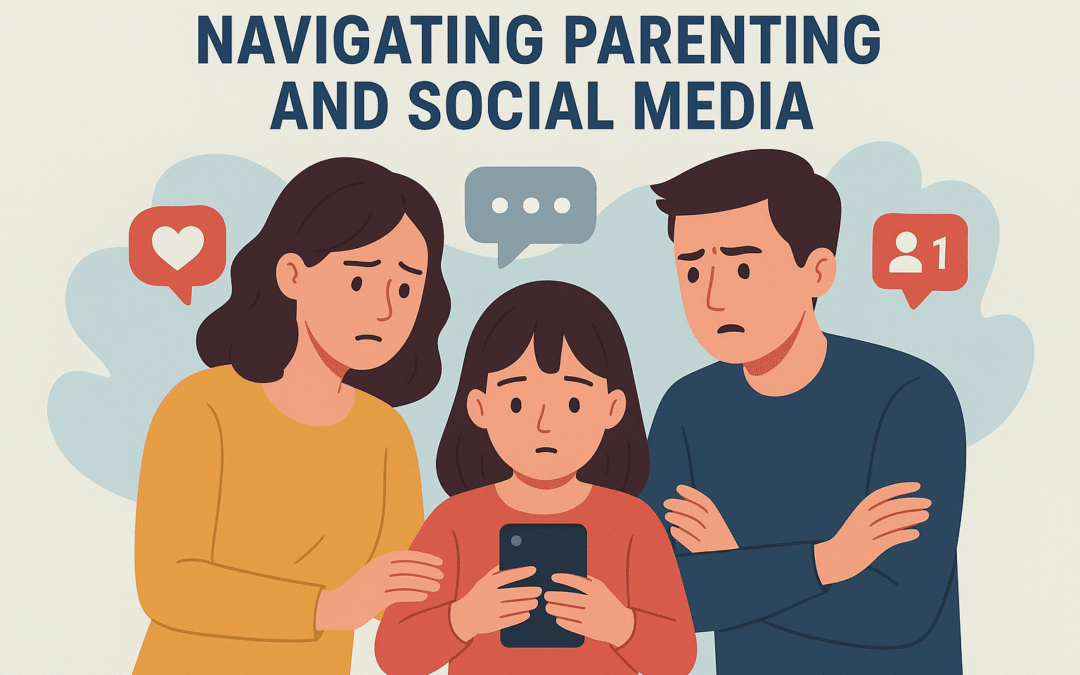
A Mental Health Perspective for Parents
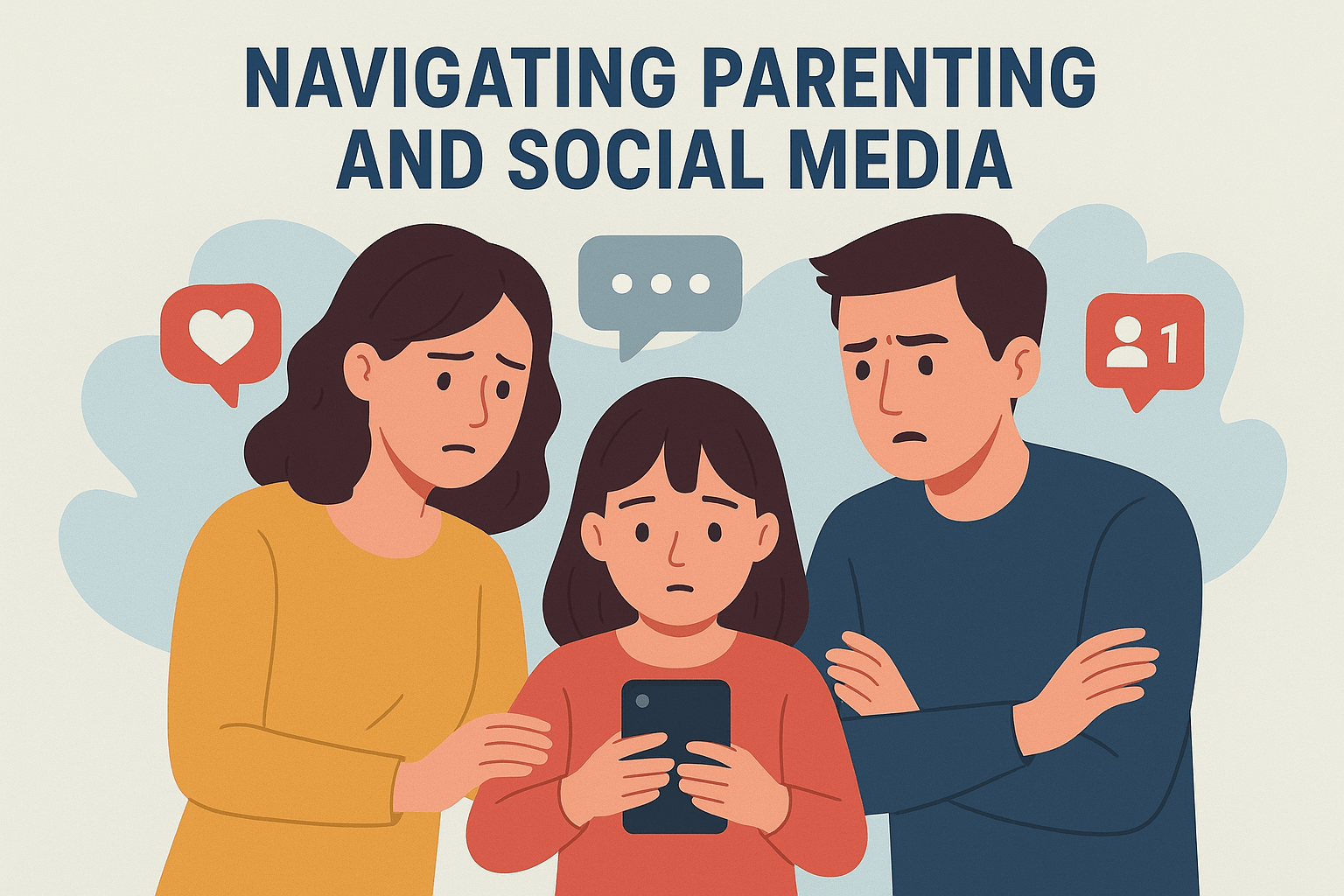
In today’s digital world, social media is deeply woven into the lives of adolescents. It’s where they form connections, express identity, and consume information. While social media offers opportunities for creativity and communication, it also presents real mental health challenges — especially for teens still forming their sense of self. As parents and caregivers, learning how to guide adolescents through these online spaces is essential.
The Mental Health Landscape
Recent research from the American Psychological Association (2024) shows a direct correlation between excessive social media use and increased symptoms of anxiety, depression, and low self-esteem in teens — particularly among adolescent girls. The U.S. Surgeon General’s Advisory (2023) also highlights the growing concern over social media’s impact on youth mental health, urging caregivers to play an active role in monitoring and supporting their children’s digital lives.
In my work with clients, this is a common theme I’m seeing more and more — adolescents who appear resistant or avoidant of rules and boundaries around phone or social media use. Many parents express frustration or uncertainty in trying to enforce limits without constant conflict. This reluctance may also reflect a broader cultural shift post-COVID, as teens became heavily reliant on digital connection during isolation. Now, caregivers are trying to help their teens re-engage with in-person social life, structure, and routines — often without a clear roadmap.
The truth is: we don’t have all the answers right now.
This is a new and ongoing transition, and parents are navigating uncharted territory. The intersection of adolescent development, mental health, and a rapidly evolving digital world is complex. Most of us didn’t grow up with the level of access and exposure that teens have today, which can leave parents feeling unprepared or unsure of what’s “right.” What we do have are growing bodies of research, emerging tools, and practical guidance that can support families through this process.
Tips for Parents: Navigating Social Media with Your Teen
- Keep the Conversation Open
Instead of framing social media as a threat, talk about it as a shared learning experience. Ask your teen what platforms they use, who they follow, and what they enjoy. Show genuine curiosity. This builds trust and makes them more likely to come to you when something goes wrong online. - Model Healthy Social Media Habits
Teens watch how you engage with technology. Do you scroll through your phone at dinner? Get agitated by online content? Modeling mindful screen use — including taking breaks and prioritizing in-person interaction — sends a powerful message. - Set Collaborative Boundaries
Work with your teen to set boundaries that feel fair and developmentally appropriate. This might include:
– Device-free dinners or bedtimes
– Setting screen time limits (especially on school nights)
– Discussing privacy settings and not sharing personal information
– Choosing a day each week to take a digital break. Recognize that pushing back against boundaries is developmentally normal — especially after a few years of blurred structure during COVID. Instead of harsh consequences, stay consistent, calm, and compassionate. Structure takes time to rebuild. - Teach Emotional Regulation Skills
Help your teen name and regulate their emotions when online. Social media can trigger FOMO (fear of missing out), comparison, or online conflict. Validate their feelings and teach coping skills like journaling, deep breathing, or simply logging off. - Encourage Digital Literacy
Support your teen in learning to question what they see online. Who is behind this content? Is it real or filtered? Is it making me feel better or worse about myself? Helping teens recognize the curated nature of online content empowers them to consume it more critically. - Know When to Step In
If your teen is withdrawing, experiencing mood swings, or showing signs of anxiety or depression, check in. Sometimes teens don’t recognize the impact social media is having on their mental health. Encourage breaks, seek professional support if needed, and let them know you’re there without judgment. - How Much Is Too Much
Take a listen or read the following links that I found to be helpful navigating this area. Spread the resources and word on what you think around this to hopefully help other parents/caregivers around you.– https://www.apa.org/topics/social-media-internet/social-media-literacy-teens
– https://www.apa.org/topics/social-media-internet/social-media-parent-tips
– https://www.apa.org/topics/social-media-internet/youth-social-media-2024
– https://www.qustodio.com/en/blog/use-social-media-in-a-healthy-way/– https://seedbed.com/help-parents-peek-behind-the-curtain-on-how-teens-use-social-media/
– https://livehealthy.muhealth.org/stories/parents-guide-managing-teens-and-social-media-6-tips-know
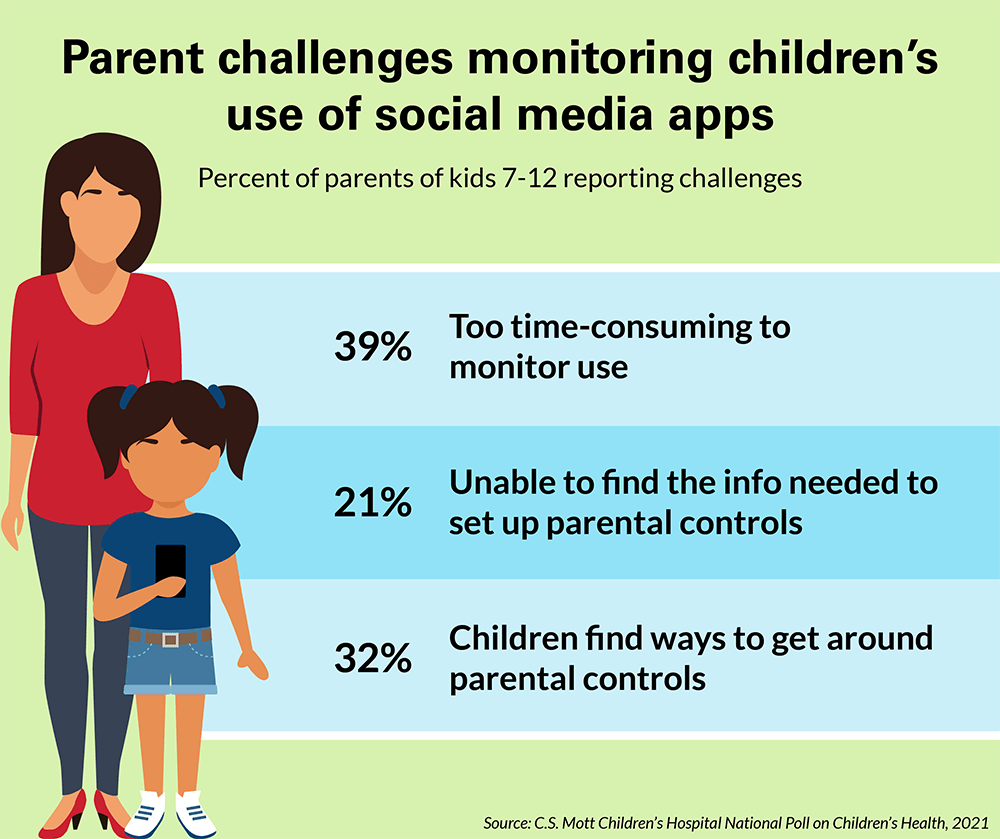
– https://chear.org/news-publications/2021-10-18/mott-poll-social-media
You’re Not Alone in This
We may not have it all figured out, but we’re learning together. There is no one-size-fits-all solution for navigating adolescence and social media in this post-pandemic world. What’s most important is staying present, keeping communication open, and being willing to adapt as new tools and research become available.
If you’re feeling overwhelmed, know that many caregivers are in the same boat. The resources we do have — including those from organizations like the APA, the Surgeon General’s Office, and Common Sense Media — can offer guidance and a place to start.
Other Helpful Resources:
CONTACT US TODAY!
505-242-6988

The Evolution Group Incorporated is a private counseling firm that has built its practice around the core values of integrity, authenticity, safety and honoring individuality. We work with individuals, couples and families to empower the wholeness that already lies within them
The Evolution Group, Inc.
218 Broadway Blvd SE
Albuquerque, NM 87102
Front Desk Hours:
Monday to Thursday: 9:00am-6:00pm
Friday: 9:00am-5:00pm
Appointment Required
Phone:?505-242-6988
Email:?[email protected]


